

5 Ways to Style Antiques for a Layered, Collected Home
The most memorable interiors rarely come together all at once. Instead,they're layered over time through meaningful pieces, collected finds, and objects that tell a story.
If you ask us, every room is better with at least one great antique.
They bring something difficult to replicate: character. From beautifully worn wood finishes to original hardware and time-softened patina, antiques add instant warmth and depth to a space. They have a way of making a room feel lived in, loved, and entirely unique.
The best part? You don't need a house full of antiques to achieve the look. A few carefully chosen pieces can transform a room, creating focal points, adding texture, and bringing a sense of permanence to even the newest spaces.
If you've ever wondered how to style antiques in a way that feels fresh rather than formal, these are the five categories we return to time and time again.
1. Anchor a Room with an Antique Commode
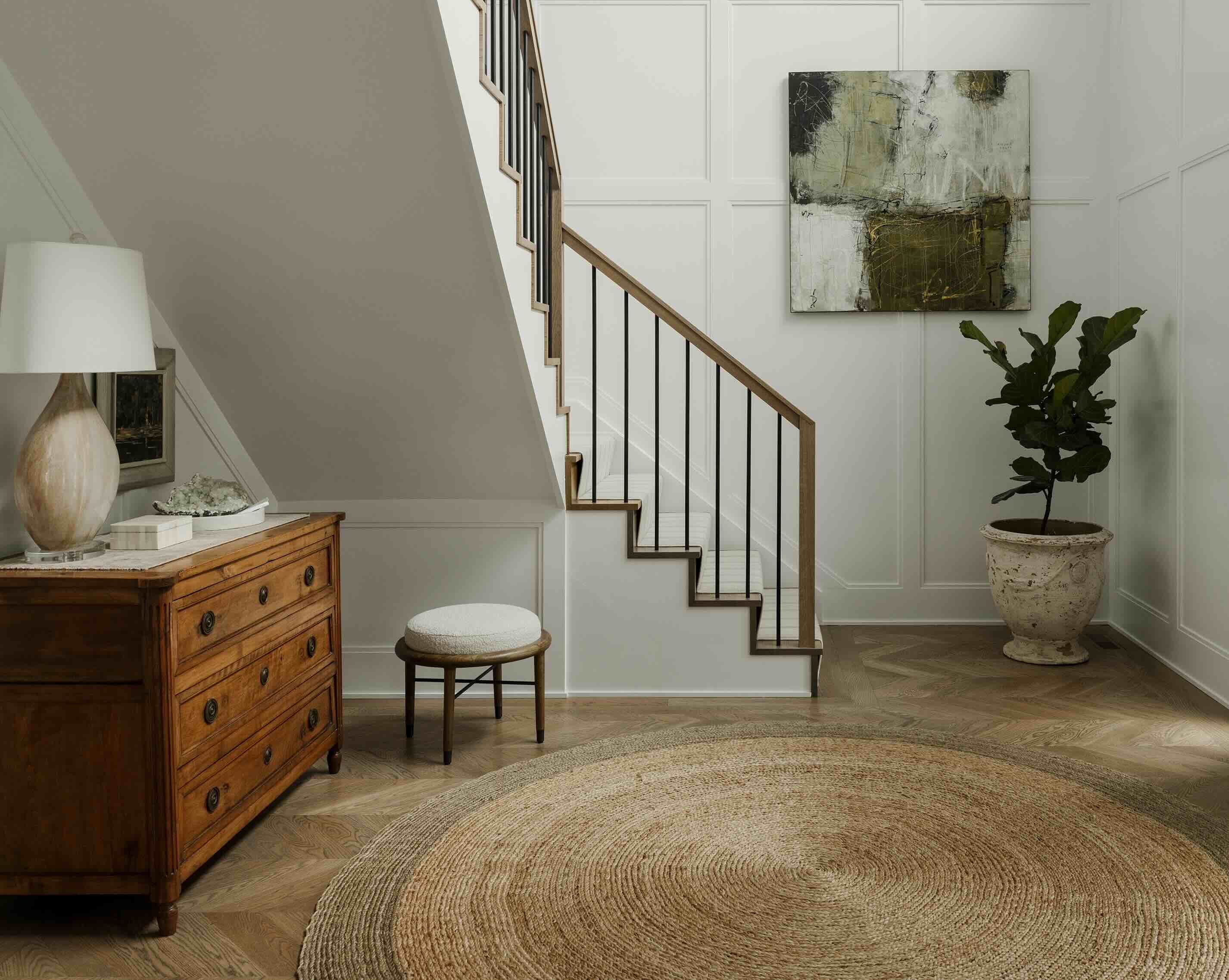
If there's one antique piece we're constantly championing, it's the commode. Most people think commodes (or chests of drawers) belong in the bedroom, but they’re actually one of the most versatile pieces you can bring into a home. Their compact footprint and practical storage make them useful throughout the house. In entryways, they create a welcoming first impression and store everyday essentials. In dining rooms, they hold linens and serving pieces. In living spaces, they keep magazines, games, and everyday tech clutter out of sight. And in hallways, they become an easy place for those in-between items that never quite have a home. Across all of these spaces, they also provide a surface for lamps, books, and considered decorative objects.
Here's how to style it:
- Hang a substantial mirror or artwork above it to create visual weight.
- Add a table lamp for height and warmth.
- Layer books, pottery, and collected objects in varying sizes.
- Leave a little breathing room. Not every surface needs to be filled.
One of the reasons we love decorating with antique commodes is their ability to make a room feel instantly established. The aged wood, original hardware, and handcrafted details add a richness that's difficult to achieve with newer furniture.
Whether it's greeting guests in an entryway or anchoring a living room wall, a well-placed commode has a way of making the entire room feel more considered.
Shop Curated by Joshua Antique Commodes


-

2. Use Antique Mirrors to Add Depth and Character
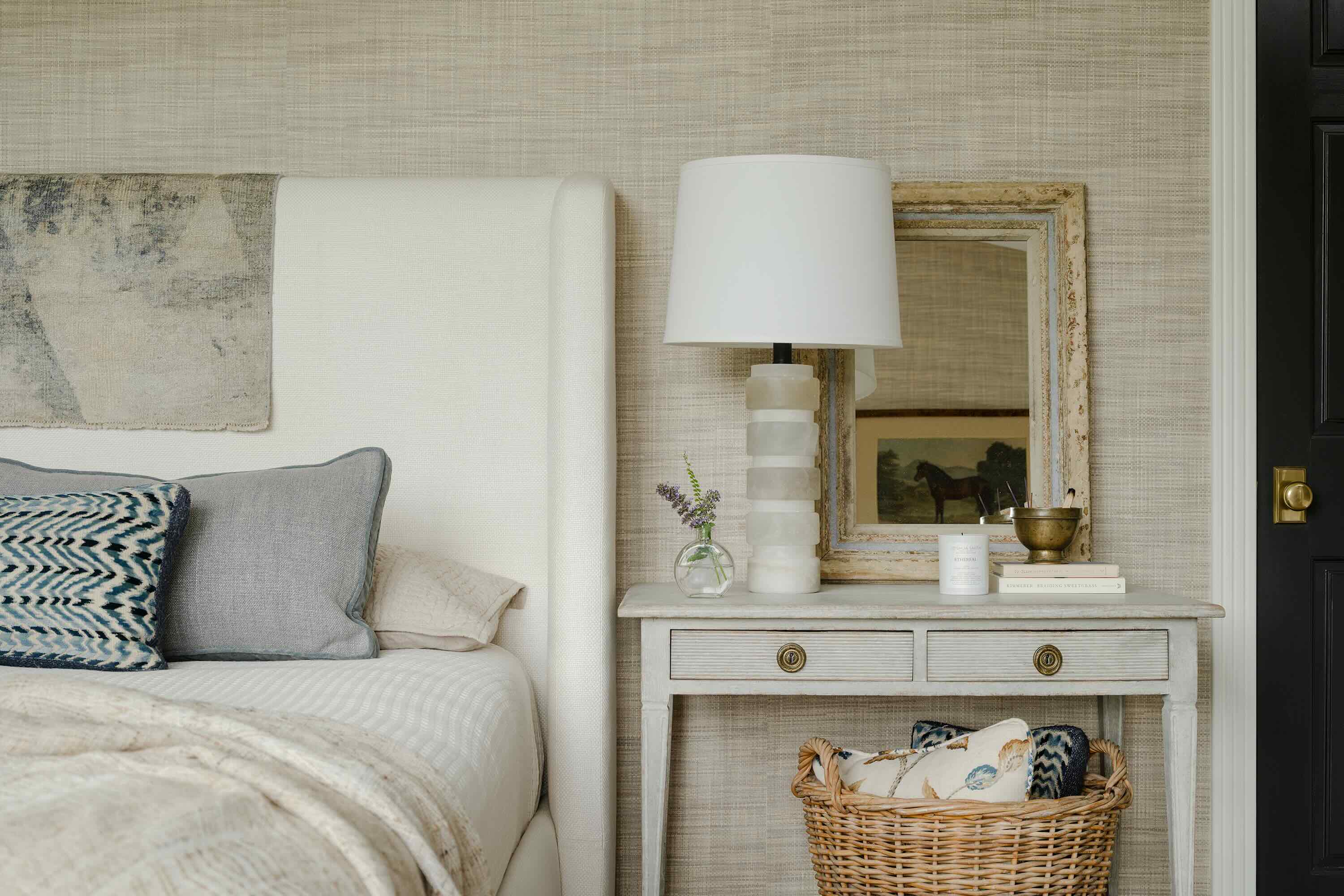
If you ask us, perfection is overrated.That's especially true when it comes to antique mirrors. The foxing, patina, and subtle signs of age that develop over time are exactly what make these pieces so beautiful. Rather than reflecting a room perfectly, they soften it. They add depth, warmth, and a sense of history that brand-new mirrors simply can't replicate.
Here's how to use them:
- Hang one above a fireplace to create an elegant focal point.
- Use one in a powder room or bathroom to soften newer finishes.
- Lean a mirror atop a console for a relaxed, collected look.
- Incorporate smaller mirrors into a gallery wall to reflect light and add dimension.
One of our favorite things about antique mirrors is the contrast they create. They look just as at home paired with contemporary furnishings as they do in more traditional spaces. And truthfully, if you've ever found yourself drawn to a mirror that's a little cloudy around the edges, you're our kind of person.
Shop Curated by Joshua Antique Mirrors


3. Style Pottery as Sculpture

Not every decorative object can speak for itself but good antique pottery usually does. One of our favorite styling tricks is treating pottery as sculpture rather than purely decoration. Antique vessels bring texture, craftsmanship, and organic form into a space without demanding attention. They're subtle, but their impact is undeniable.
Here's how to style antique pottery:
- Group vessels in odd numbers for a more natural arrangement.
- Mix heights, shapes, and finishes to create visual interest.
- Use larger vessels on the floor beside a fireplace or entry console.
- Display smaller pieces on shelves, coffee tables, and bookcases.
- Leave some vessels empty and allow their shape and patina to do the talking.
Beautiful pottery has a way of making a room feel finished without looking overly styled. It adds texture without clutter and character without trying too hard. Some pieces are stunning filled with branches or seasonal greenery.Others are so beautiful on their own that we'd argue they don't need a thing.
Shop Curated by Joshua Antique Pottery


4. Layer Artwork for a More Collected Look
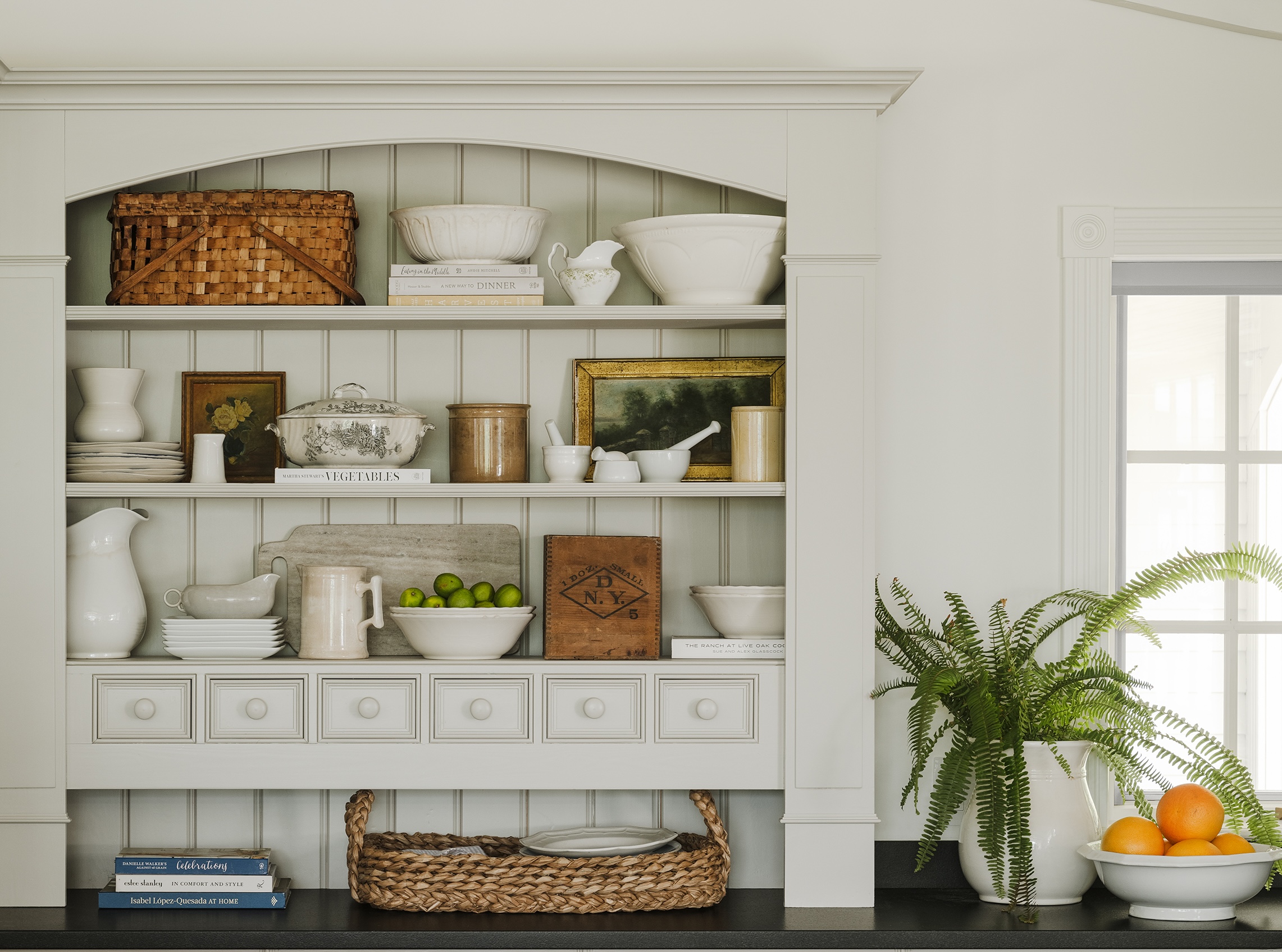
We're firm believers that not every piece of art needs to be hung. In fact, some of the most interesting interiors incorporate artwork in a more relaxed way — leaned on shelves, layered into bookcases, or casually resting atop furniture. The result feels less formal, more personal, and a whole lot more collected.
Here's how to create a layered art display:
- Lean smaller works on shelves and mantels.
- Mix eras and styles to add interest and personality.
- Incorporate artwork into bookcases and built-ins.
- Combine different frame styles for a collected-over-time appearance.
- Don't overlook unframed antique art — details like visible nails and raw canvas edges add depth and authenticity.
Large statement pieces certainly have their place, but smaller works can be just as impactful when thoughtfully layered. Antique artwork brings narrative, character, and a sense of discovery to a room. Every piece has a history, and part of the fun is imagining where it may have lived before finding its way into your home.
Shop Curated by Joshua Antique Art


5. Add Personality with Statement Seating
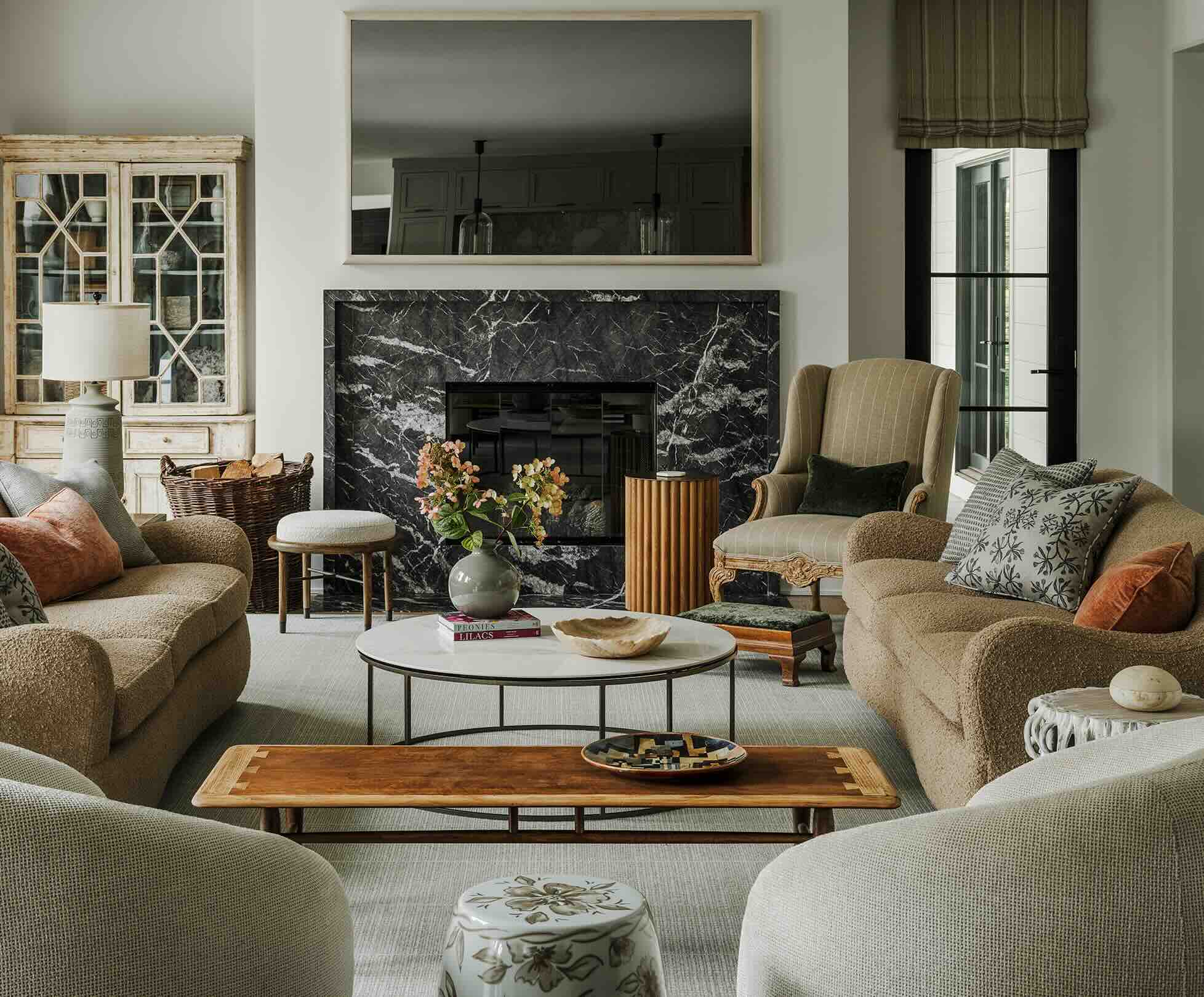
New, matching furniture sets are perfectly lovely. They’re also rarely the reason someone asks, “Where did you find that?” That’s where antique seating shines. It creates a moment. A conversation starter. A little visual surprise.
One of our favorite ways to use antique seating is in contrast with newer furnishings. It’s that tension between old and new that makes a room feel collected over time.
One of the things we love most about antique seating is its ability to evolve. Fabrics can be refreshed, cushions can be updated, and new upholstery is where things get fun — you get to keep all the character, but change the mood entirely.
Here’s how to style antique seating:
- Pair antique dining chairs with a modern dining table for contrast and asymmetry.
- Use a single chair to break up matching furniture, for example flanking a sofa on one side.
- Place one in a quiet corner where something feels missing.
- Use a chair at the end of a hallway or landing to create a visual pause.
- Reupholster quality frames in fabrics suited to modern living.
One of the reasons we keep coming back to antique seating is simple: it never feels static. It brings character, contrast, and just enough imperfection to make a room feel considered rather than coordinated. And with new upholstery, you get the best of both worlds — the original patina and character of the frame, refreshed in a way that makes it practical for everyday living.
Shop Curated by Joshua Antique Chairs


